
What’s Covered on This Page
- Interior Fitting Contractor in Melbourne
- Commercial Fitouts in Melbourne
- Office Fitouts in Melbourne
- Retail Fitouts in Melbourne
- What does an interior fitting contractor actually do?
- Do Melbourne building codes affect my fitout project?
- How long does a commercial fitout take in Melbourne?
- What is the difference between a base-build tenancy and a fitted-out space?
- Can you handle retail fitouts inside Melbourne shopping centres?
- When should I contact an interior fitting contractor for my Melbourne project?
Need interior fitting contractor?
Call now for a free estimate. Call Progressive Corporate now.
Interior Fitting Contractor in Melbourne
Commercial Fitouts in Melbourne
Offices, retail shops, medical clinics. Every commercial space has different rules and different needs. We handle commercial fitouts across Melbourne’s CBD and inner suburbs like Richmond and Collingwood.
A good fitout keeps your staff comfortable and your customers impressed. But it also has to meet strict building codes and accessibility standards.
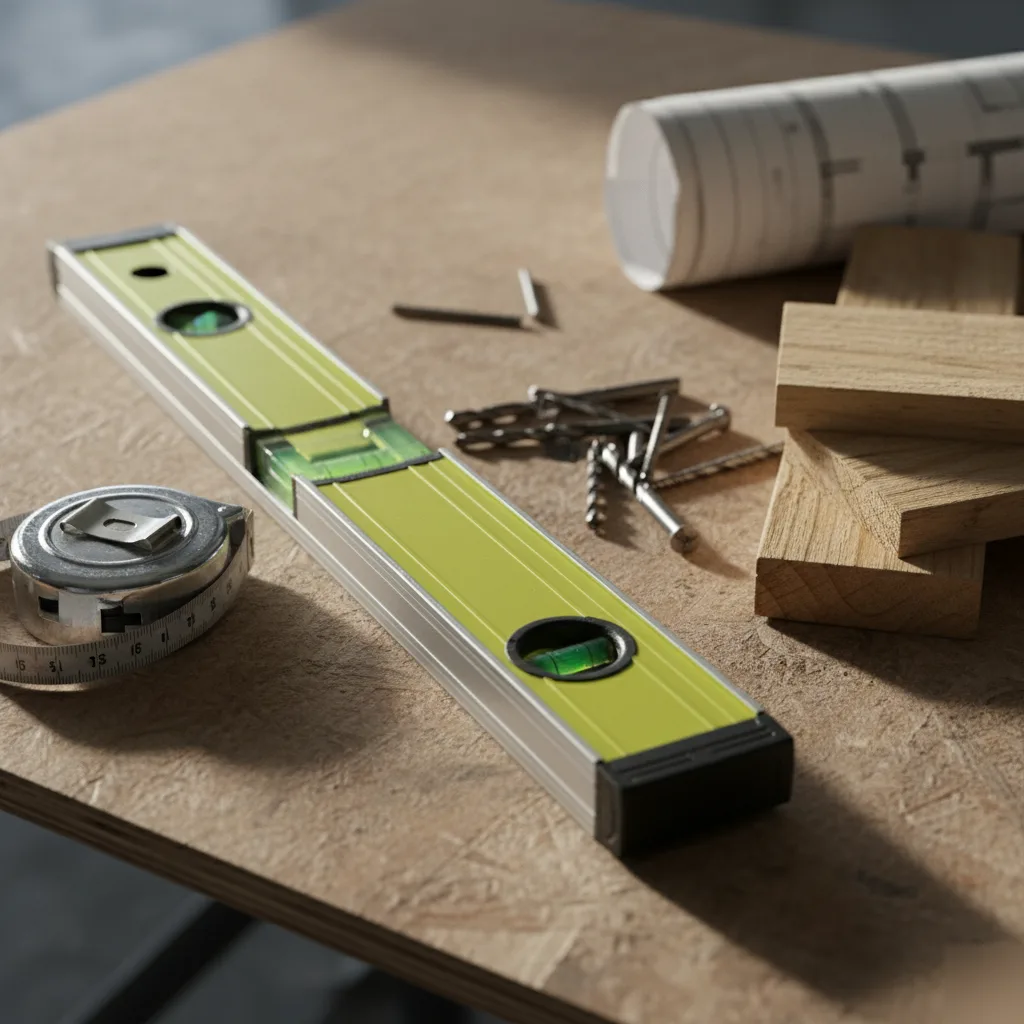
We’ve done everything from open-plan coworking spaces to locked-down server rooms, each one built to actually work for the business inside it.
Office Fitouts in Melbourne
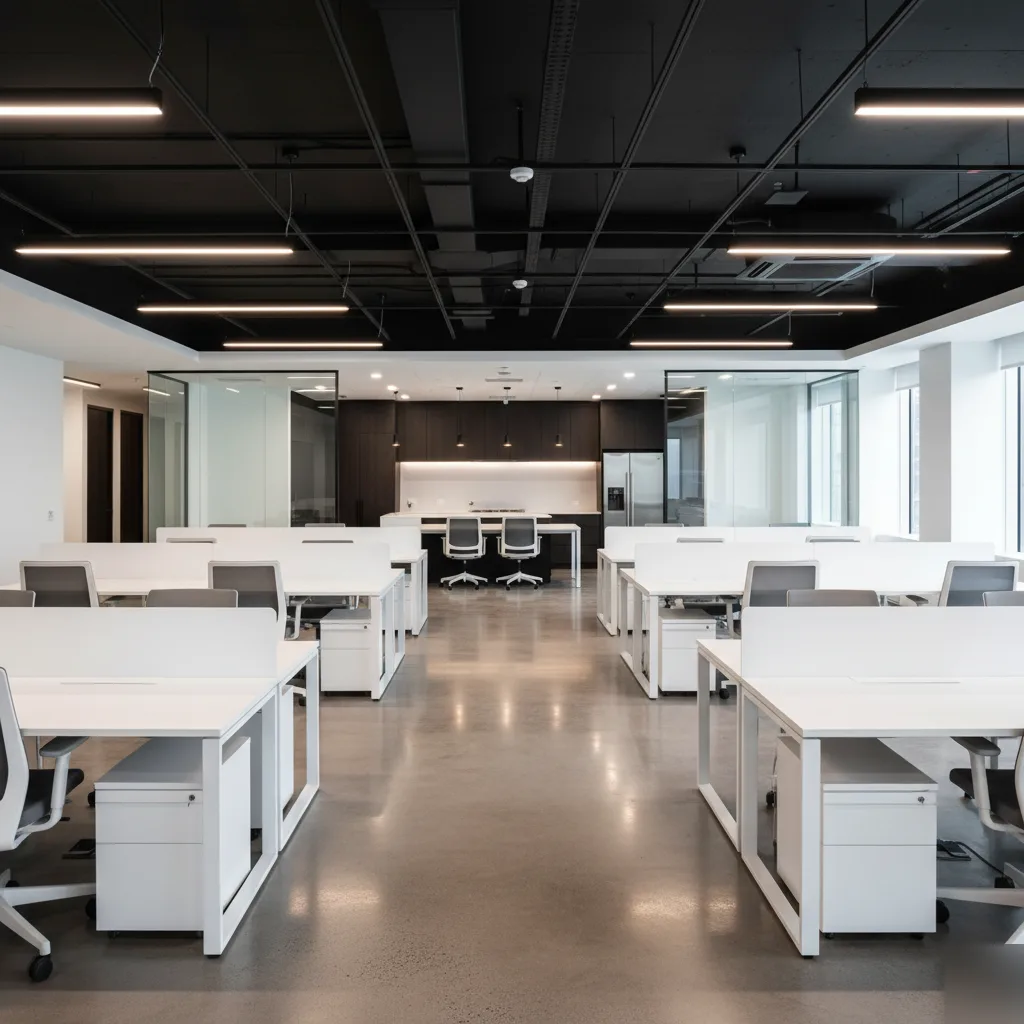
Relocating, expanding, or redesigning a space that no longer works for your team? A well-executed office fitout is one of the most impactful investments you can make. The way your office is configured directly affects productivity, staff retention, and the impression you leave on clients. In Melbourne’s competitive property market, businesses that invest in thoughtful fitouts consistently outperform those stuck in outdated environments.
A typical project begins with detailed layout planning. The contractor works closely with your team, and often your architect or workplace strategist, to map out how the floor plate should be divided. Open-plan workstation zones, enclosed offices, meeting rooms, breakout areas, reception spaces, kitchenettes, server rooms, storage. Every square metre matters, particularly in premium-grade tenancies where rent is calculated per square metre of net lettable area.
Once the layout is locked in, the scope expands into structural and technical elements. Partition walls, whether full-height plasterboard, glazed systems, or both, define rooms and zones. Suspended ceiling grids are reconfigured to accommodate new layouts. Lighting is repositioned or upgraded. Flooring selections, from carpet tiles in workstation areas to vinyl plank or polished concrete in communal zones, are specified and installed to match the design intent.
Electrical rough-in and data cabling coordination is one of the most critical and underestimated parts of any office fitout. Power and data provisions must be accurately mapped to every workstation, meeting room, and shared space before walls are closed and ceilings are finished. Getting this wrong results in costly rework, delays, and a finished space that doesn’t function as intended.
Melbourne’s commercial precincts each present unique conditions. Southbank office towers often feature concrete slab-to-slab construction with minimal base-build services, meaning the contractor may need to install the full ceiling system, all mechanical services distribution, and floor coverings from scratch. Many St Kilda Road buildings, particularly those built in the 1980s and 1990s, come with existing base-build ceilings, basic lighting grids, and perimeter air conditioning already in place. Understanding these base-build conditions before signing a lease can save your business tens of thousands of dollars in unexpected costs.
Building management requirements in Melbourne’s CBD and inner-city towers also shape project planning. Most commercial buildings enforce strict construction hours, loading dock booking procedures, and noise restrictions. Many Southbank and Docklands buildings require detailed construction management plans, proof of contractor insurance, and induction processes before work can begin. A seasoned contractor who has delivered projects in these buildings already understands these protocols.
The finer details matter too. Custom reception desks, built-in credenzas, kitchen cabinetry, timber panelling, acoustic wall treatments, branded signage. Paint colours, door hardware, even power outlet faceplates all contribute to the overall quality of the finished environment. These finishing details are where craftsmanship becomes most visible.
A straightforward fitout for a tenancy of 200 to 500 square metres in Melbourne generally takes between six and twelve weeks from design finalisation to handover. Larger or more complex projects may extend beyond this. Early engagement with your contractor, ideally before or immediately after signing your lease, gives you the best chance of a smooth delivery.
Explore the office fitout service page for scope and process details, and take the first step toward a workspace that supports your business goals.
Need help with interior fitting contractor?
Call now for a free estimate. Progressive Corporate is ready to help.
Retail Fitouts in Melbourne
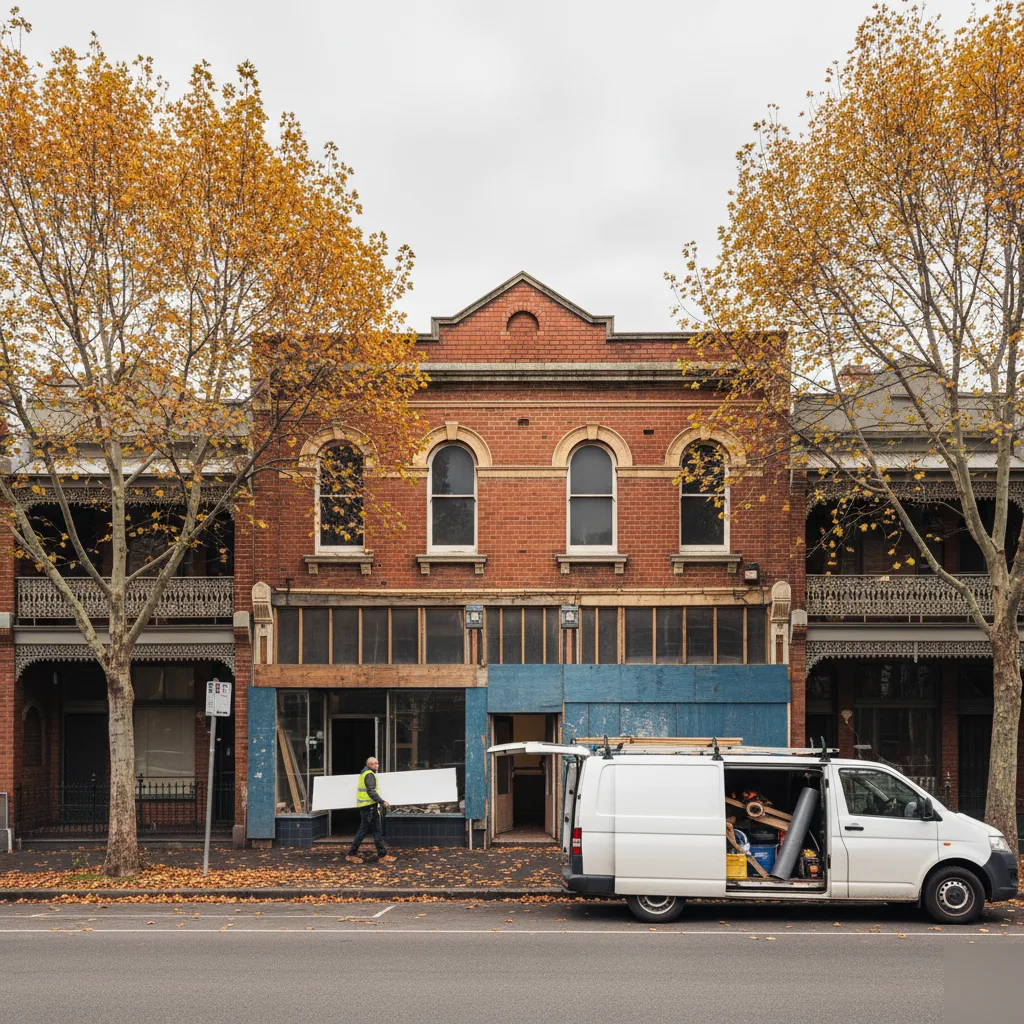
Opening a retail store in Melbourne is exciting, but the fitout process can quickly become overwhelming without the right contractor guiding you. Whether you’re launching a boutique on Chapel Street, securing a tenancy in Bourke Street Mall, or setting up a franchise location in one of Melbourne’s busy suburban strip shopping centres, the quality of your retail fitout directly impacts foot traffic, customer experience, and your bottom line.
Retail fitouts involve a wide range of coordinated trades and design elements. Custom joinery is often the centrepiece. Bespoke shelving units, display counters, cash wrap stations, and feature walls that reflect your brand identity. Beyond joinery, your fitout will typically include purpose-designed display fixtures, carefully planned lighting, commercial-grade flooring suited to high foot traffic, ceiling treatments, signage integration, and shopfront design that meets both your branding standards and your landlord’s requirements.
One of the most commonly underestimated aspects of a Melbourne retail fitout is the documentation and compliance process, particularly within managed shopping centres. Centres like Melbourne Central, Chadstone, Highpoint, Eastland, and the Emporium all have detailed fitout guides that tenants must follow precisely. These guides dictate approved materials, colour palettes, mechanical and electrical connection points, fire safety requirements, hoarding specifications, and permitted working hours. Failing to comply can result in costly delays or rejected fitout applications.
Chapel Street tenancies come with their own challenges. Many properties along Chapel Street are heritage-listed or sit within heritage overlay zones, meaning shopfront modifications and signage placement may require planning permits from the City of Stonnington. Bourke Street Mall tenancies, particularly those within the GPO building, Royal Arcade, or Block Arcade, have strict fitout guide requirements governing everything from shopfront glazing style to the type of lighting visible from public walkways. A contractor who has worked in these precincts before can anticipate issues before they become expensive problems.
Progressive Corporate handles that documentation as part of their retail fitout service, managing fitout guide submissions, coordinating with centre management, and ensuring all drawings and specifications meet required standards before construction begins. For franchise operators managing multiple store openings simultaneously, this project management capability is particularly valuable.
Lighting deserves special attention in any retail fitout. Melbourne shoppers are discerning, and the difference between a store that feels inviting and one that feels flat often comes down to lighting design. Track lighting to highlight key product displays, LED strip lighting integrated into joinery, and carefully selected colour temperatures that make merchandise look its best. These details matter in a competitive retail environment.
Flooring is another critical decision. High-traffic retail environments need flooring that is durable, easy to maintain, and aligned with your brand. Polished concrete suits an industrial aesthetic. Luxury vinyl plank offers warmth at a more accessible price point. Timber creates a premium feel but requires careful specification to handle the wear of a busy store.
Timing is everything in retail. Melbourne’s seasonal calendar means many store openings are planned around key trading periods, the Melbourne Cup Carnival in November, the Christmas and Boxing Day sales period, or the start of the financial year for B2B retailers. A reliable contractor will work backwards from your target opening date to establish a realistic construction program, factoring in lead times for custom joinery, imported fixtures, and any centre management approval processes.
Visit the retail fitouts in Melbourne page to see what’s included and how the process works from concept through to handover.
Frequently Asked Questions
Common questions about interior fitting contractor services
What does an interior fitting contractor actually do?
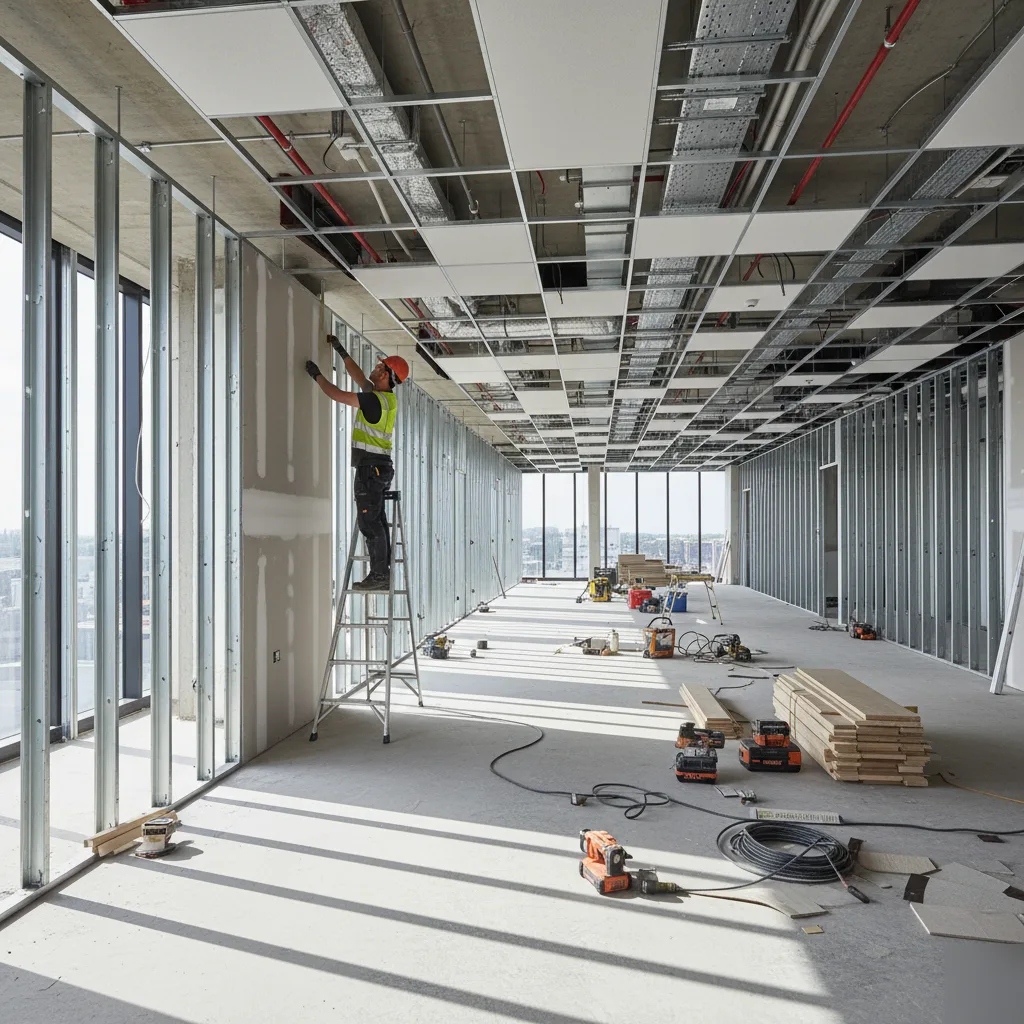
An interior fitting contractor builds and installs everything inside a commercial space — walls, ceilings, flooring, joinery, and electrical rough-in. We turn an empty shell into a working office, shop, or clinic. You get one point of contact managing all the trades. That means fewer headaches for you and a finished space that actually functions the way your business needs it to.
Do Melbourne building codes affect my fitout project?
Yes, and they matter more than most people expect. Melbourne commercial fitouts must meet strict building codes, accessibility standards, and fire safety requirements. Buildings in the CBD, Southbank, and Docklands often add their own rules on top of that — construction hours, loading dock bookings, and contractor induction processes. Working with someone who already knows these buildings saves you time and avoids costly surprises.
How long does a commercial fitout take in Melbourne?
A standard fitout for a 200 to 500 square metre tenancy in Melbourne typically takes six to twelve weeks from design sign-off to handover. Larger or more complex projects take longer. The biggest factor in your timeline is how early you bring in your contractor. Getting started before or right after signing your lease gives you the best chance of finishing on time.
What is the difference between a base-build tenancy and a fitted-out space?
A base-build tenancy is a blank shell — no ceilings, no flooring, no partitions. Many Southbank towers are delivered this way. A fitted-out space already has some services in place, like the older St Kilda Road buildings with existing ceilings and perimeter air conditioning. Knowing which one you are leasing before you sign can save your business tens of thousands of dollars in unexpected fitout costs.
Can you handle retail fitouts inside Melbourne shopping centres?
Yes, and it requires specific experience. Major centres like Melbourne Central, Chadstone, and Emporium each have detailed fitout guides covering approved materials, mechanical connections, hoarding specs, and working hours. Missing any of these requirements can delay your opening or get your application rejected. We know these processes and make sure your fitout meets every requirement before work begins.
When should I contact an interior fitting contractor for my Melbourne project?
Contact a contractor before you sign your lease if you can. Early involvement lets us review the base-build conditions, flag any hidden costs, and build a realistic timeline. Many Melbourne businesses wait too long and end up rushed or over budget. The earlier we are involved, the smoother your project runs from design through to the day you open your doors.